
01
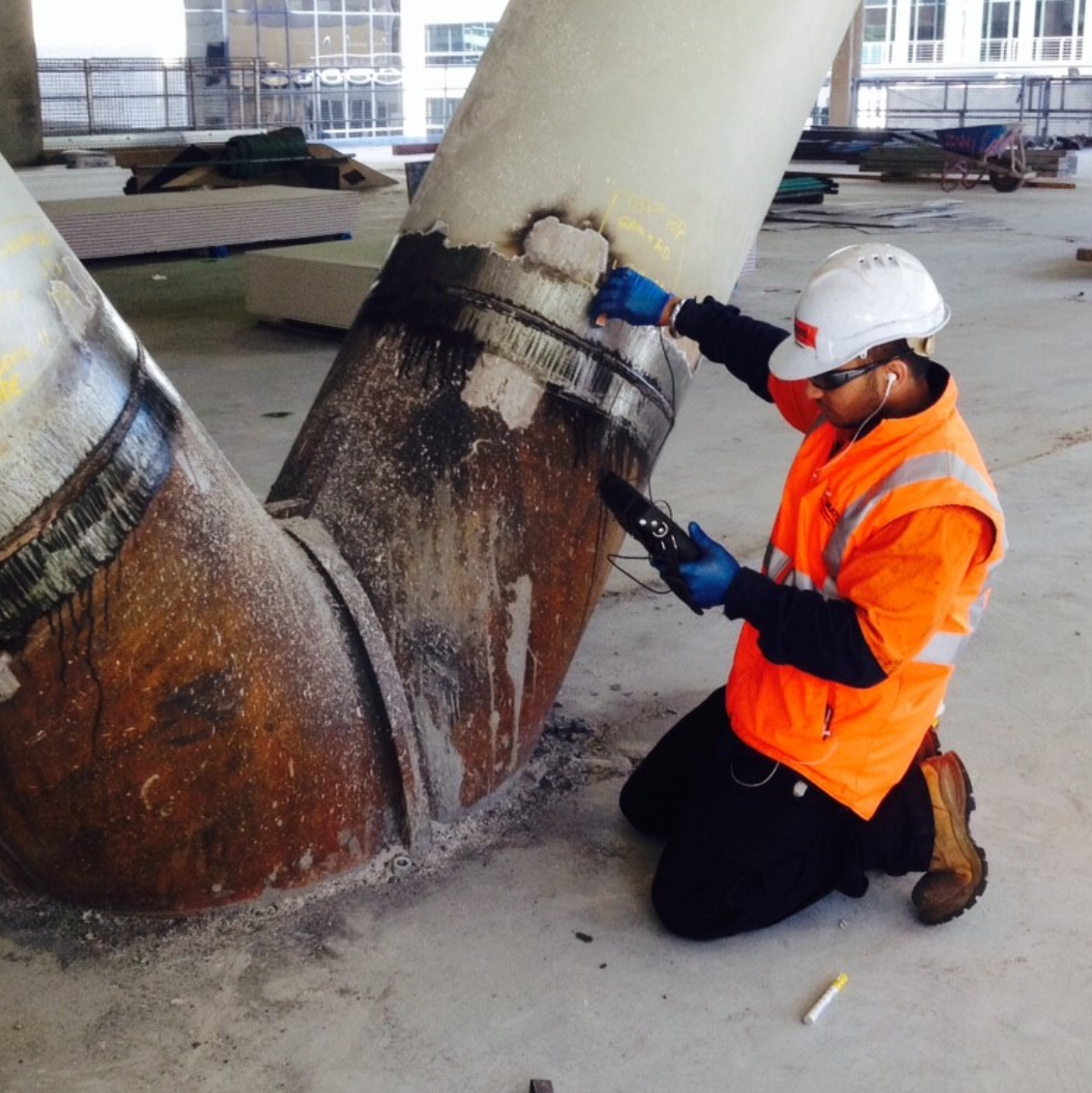
Visual Testing (VT)
Visual inspection (VT) is a non-destructive testing method that detects cracks, corrosion, or weld defects with the naked eye or using simple tools. While fast and cost-effective, it is limited to surface defects and depends on the inspector.
02
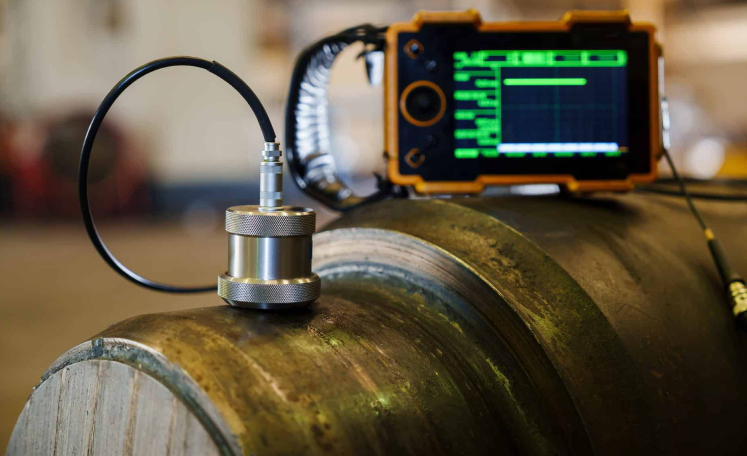
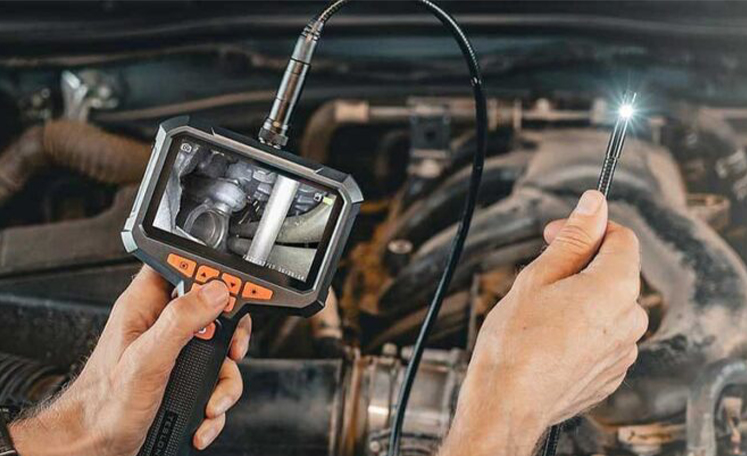
Ultrasonic Testing (UT)
Ultrasonic Testing (UT) is a non-destructive testing method that uses ultrasonic waves to detect cracks, porosity, or internal defects. Fast, accurate, and reliable, it identifies discontinuities that are invisible on the surface and ensures the quality of materials.
03
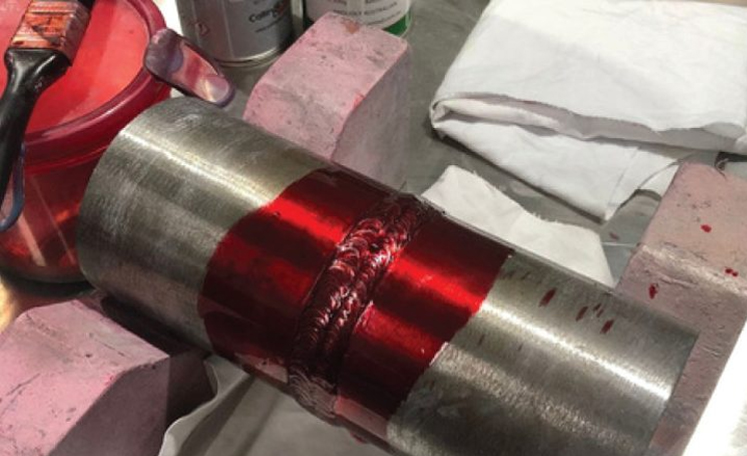
Dye Penetrant Inspection (DPI)
Penetrant testing (DPI) is a non-destructive testing method that uses a colored or fluorescent liquid to reveal cracks and open surface defects. Simple, cost-effective, and efficient, it is limited to surface discontinuities and depends on the inspector.
04
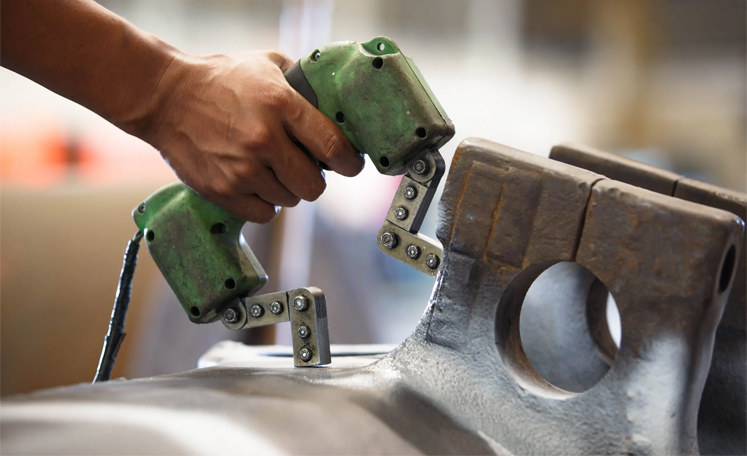
Magnetic Particles Inspection (MPI)
Magnetic particle inspection (MPI) is a non-destructive testing method that uses magnetic particles to reveal cracks or surface defects in ferromagnetic materials. Fast and efficient, it detects only surface discontinuities and relies on the workpiece being properly magnetized.
05
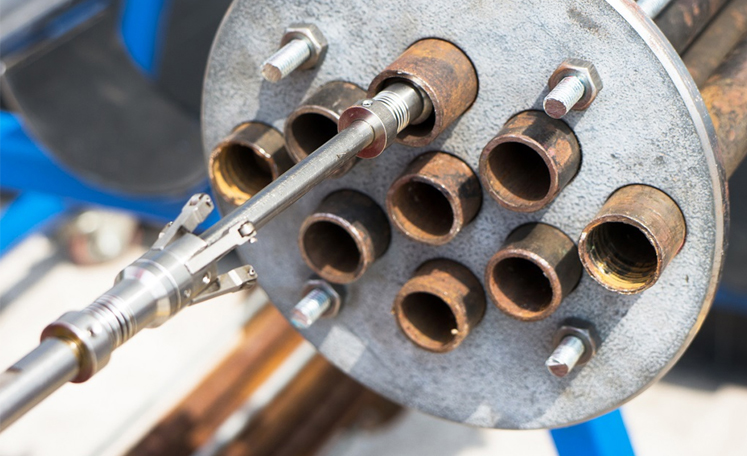
Internal Rotary Inspection System (IRIS)
The Internal Rotary Inspection System (IRIS) is a non-destructive testing method that uses ultrasound to assess wall thickness and detect internal corrosion in tubes. Accurate and reliable, it provides detailed mapping of defects but requires a clean and stable environment.
06
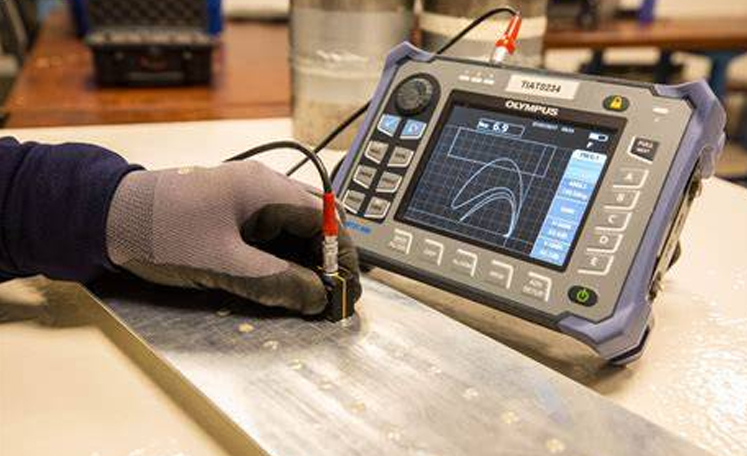
Eddy Current Testing (ECT)
Eddy current testing (ECT) is a non-destructive testing method that uses electromagnetic fields to detect cracks, corrosion, and variations in thickness in conductive materials. Fast and sensitive, it is limited to surface or near-surface defects.
07
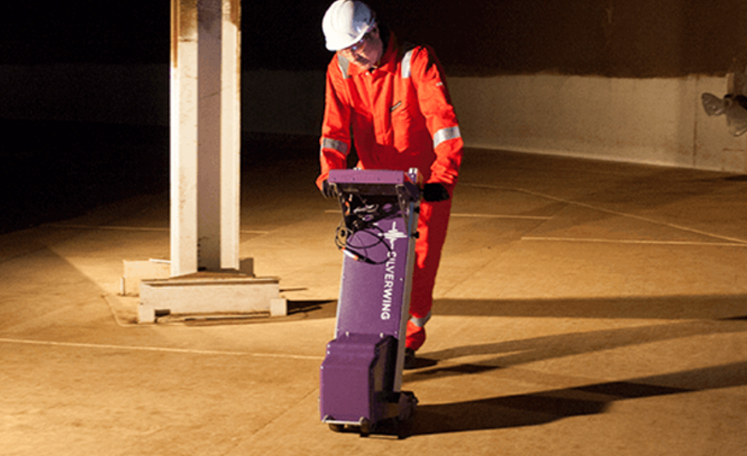
Magnetic Flux Leakage (MFL)
Magnetic flux leakage (MFL) inspection is a non-destructive testing method that uses a magnetic field to detect corrosion, cracks, and wall thinning in ferromagnetic materials. Fast and efficient, it is widely used for inspecting pipelines and tanks, but is limited to surface or near-surface defects.
08
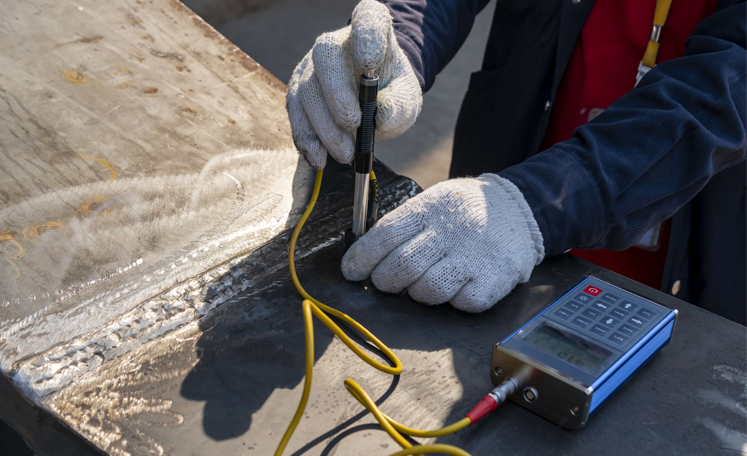
Hardness Testing
Hardness testing is a non-destructive testing method that measures a material’s resistance to penetration or deformation. Using techniques such as Brinell, Rockwell, or Vickers, it evaluates the mechanical quality and durability of metal parts. Fast and reliable, it is limited to the tested area and depends on the choice of method applied.
09
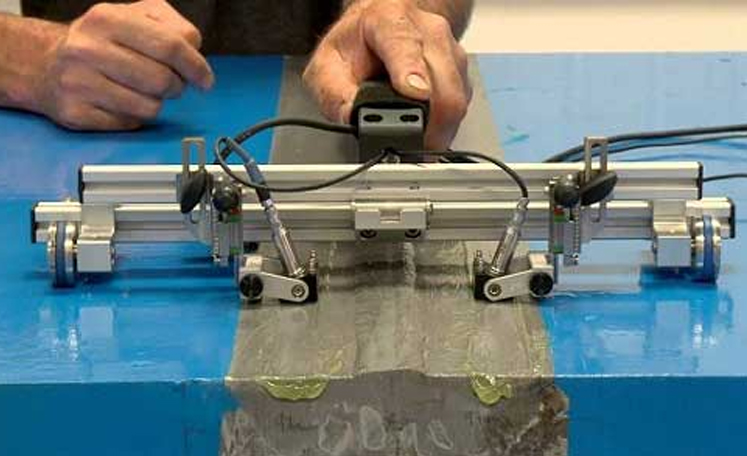
Time of flight diffraction (ToFD)
Time-of-flight diffraction (ToFD) testing is an advanced ultrasonic nondestructive testing technique that uses waves diffracted at the ends of defects to accurately measure their height and depth. Highly reliable, it is widely used for inspecting critical welds.